
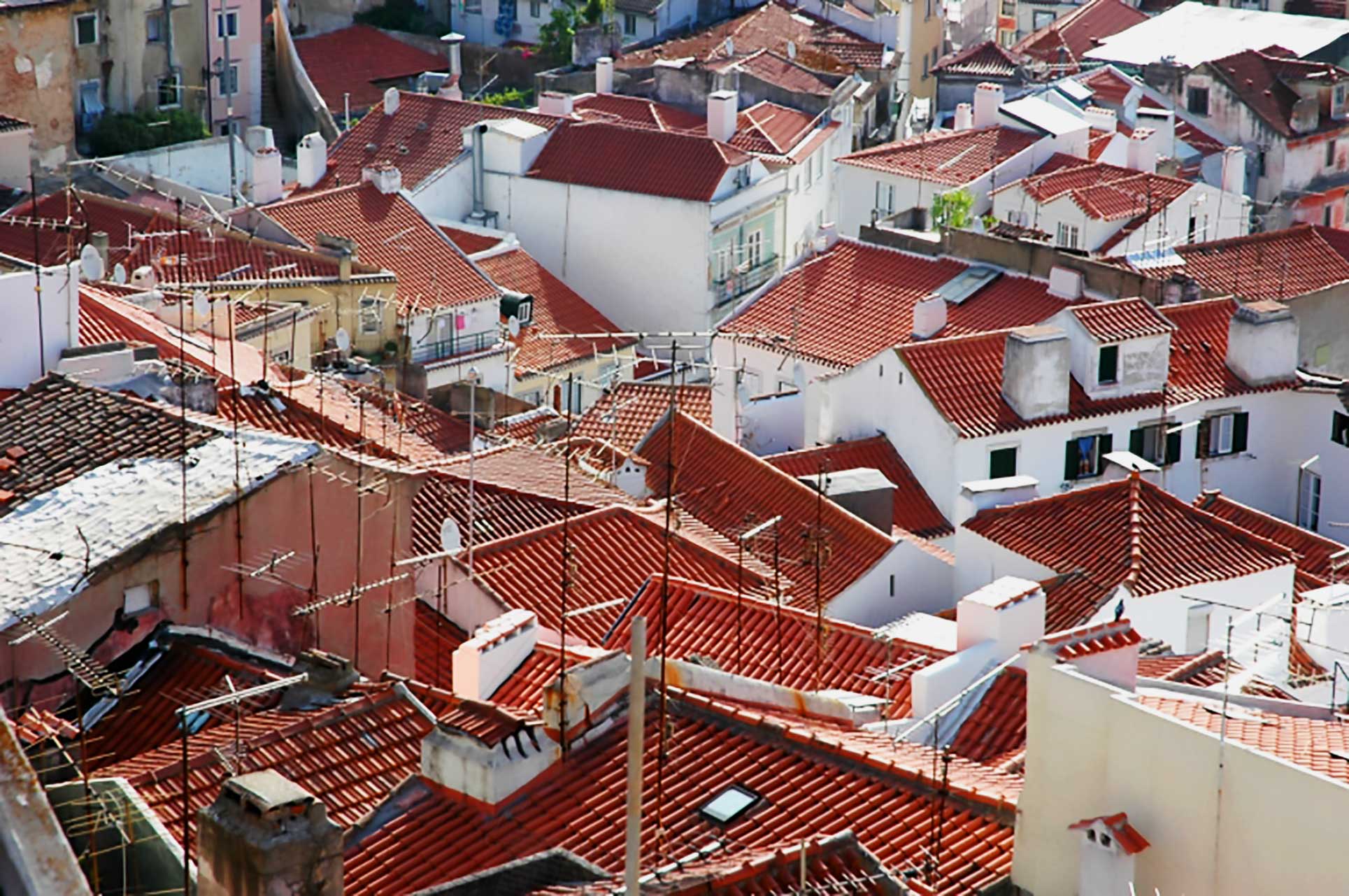

Lisbon Old Town – Alfama & Mouraria
A walk through the origins of Lisbon, behind the old city walls and into the Alfama and Mouraria districts.
WhenThursdays and Sundays at 10am
Duration3 hours
LevelModerate · all ages
GroupUp to about 16 people
Price25€ per person
We start with the Phoenicians, who named the city “quiet bay”, and move on to the Romans – the first major settlers – and to the Moors, who shaped the alleys of the old town. Lisbon’s geography and climate were the greatest temptation for every community that settled here, and they still are today.
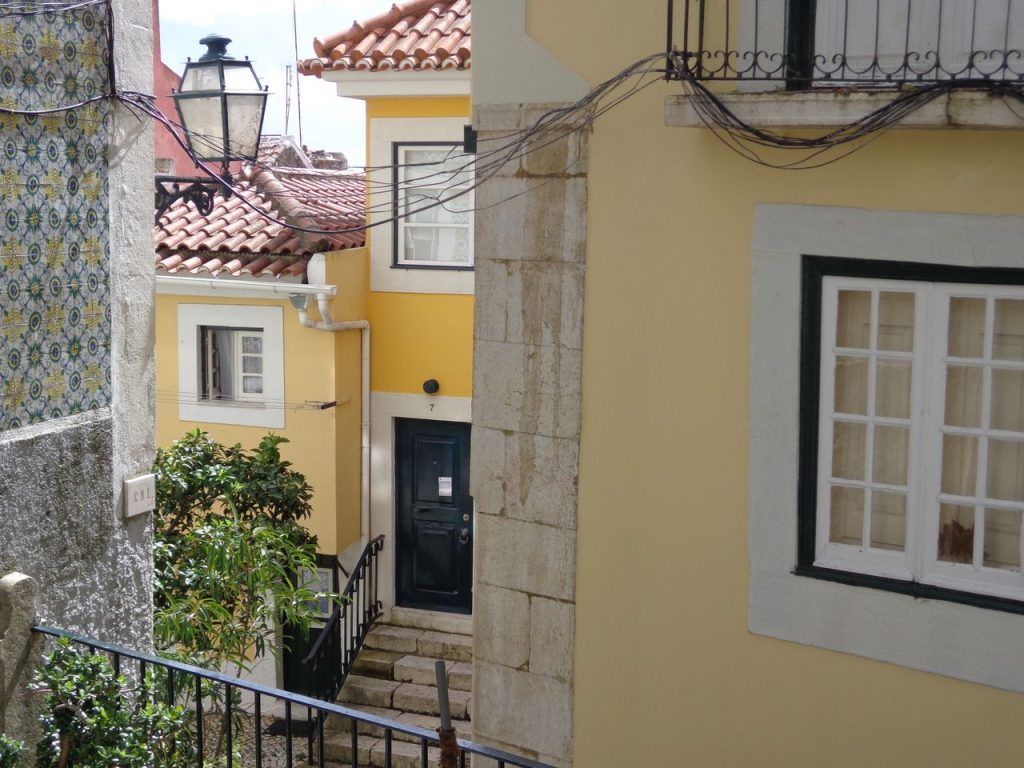
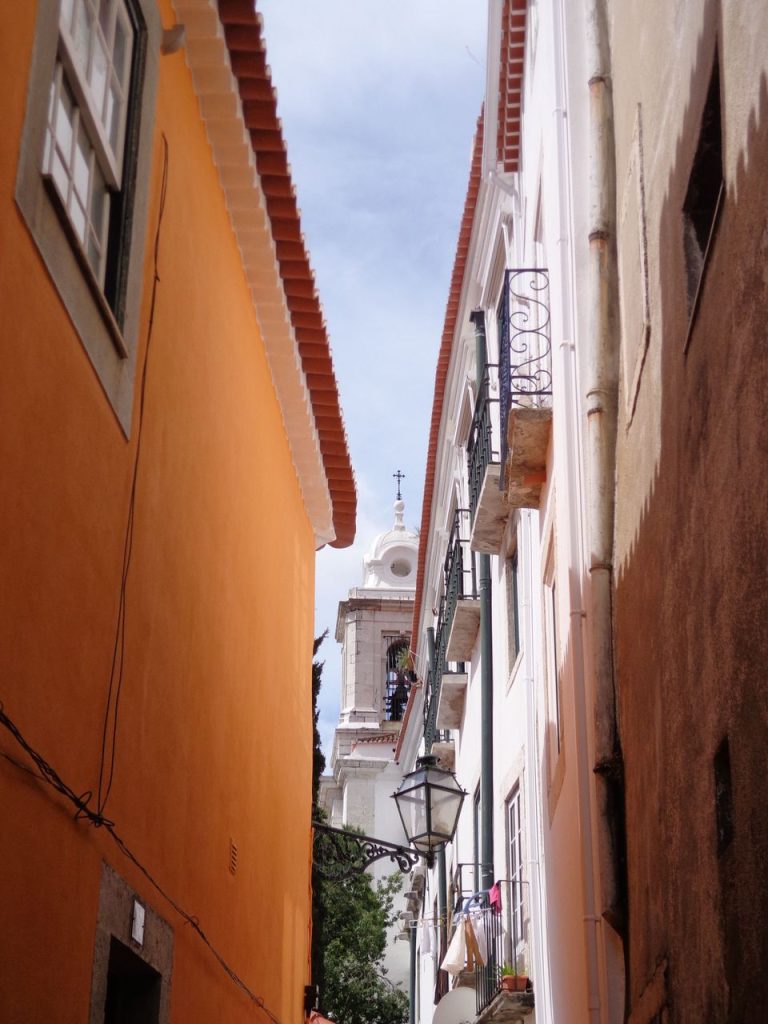
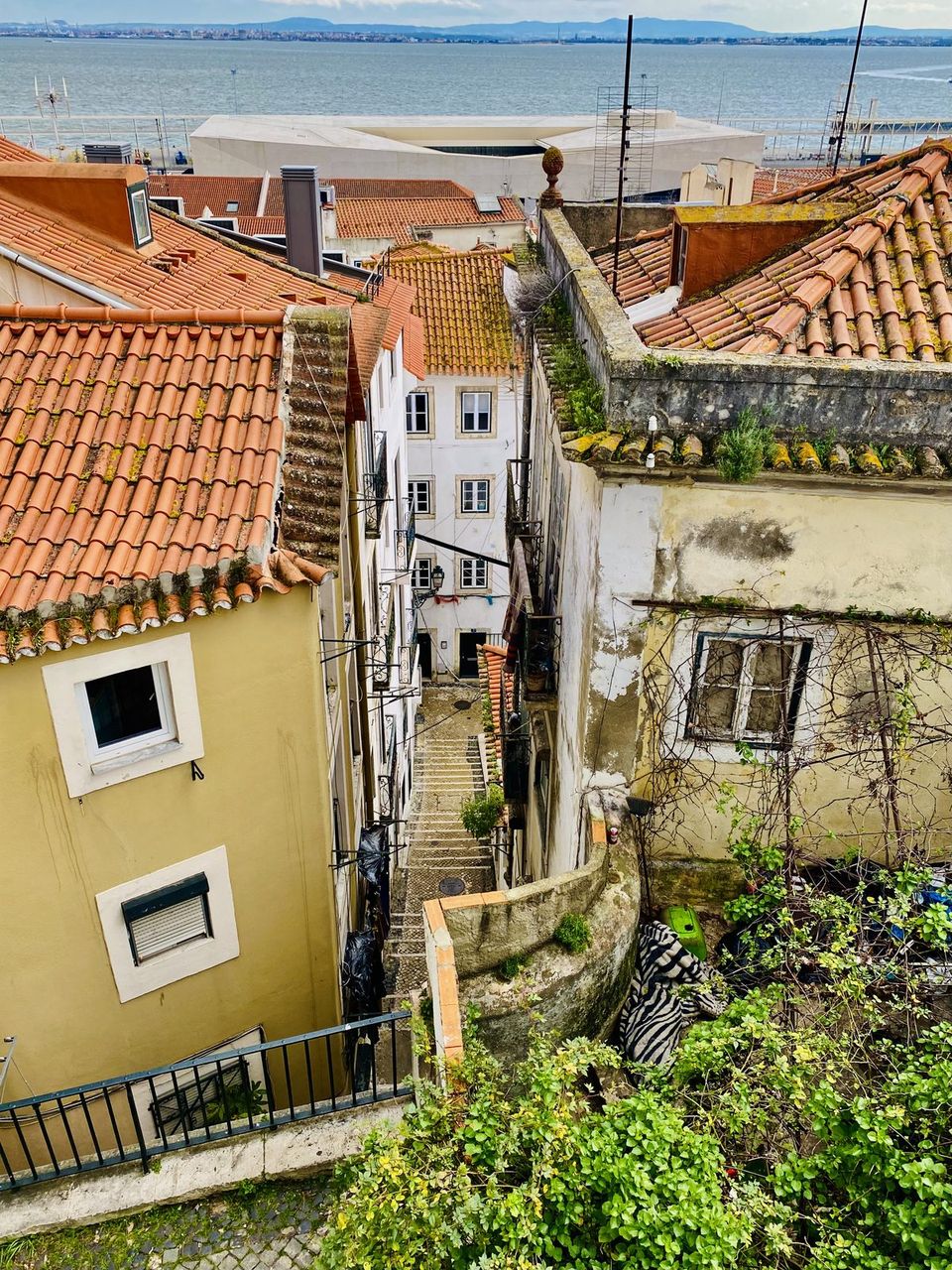
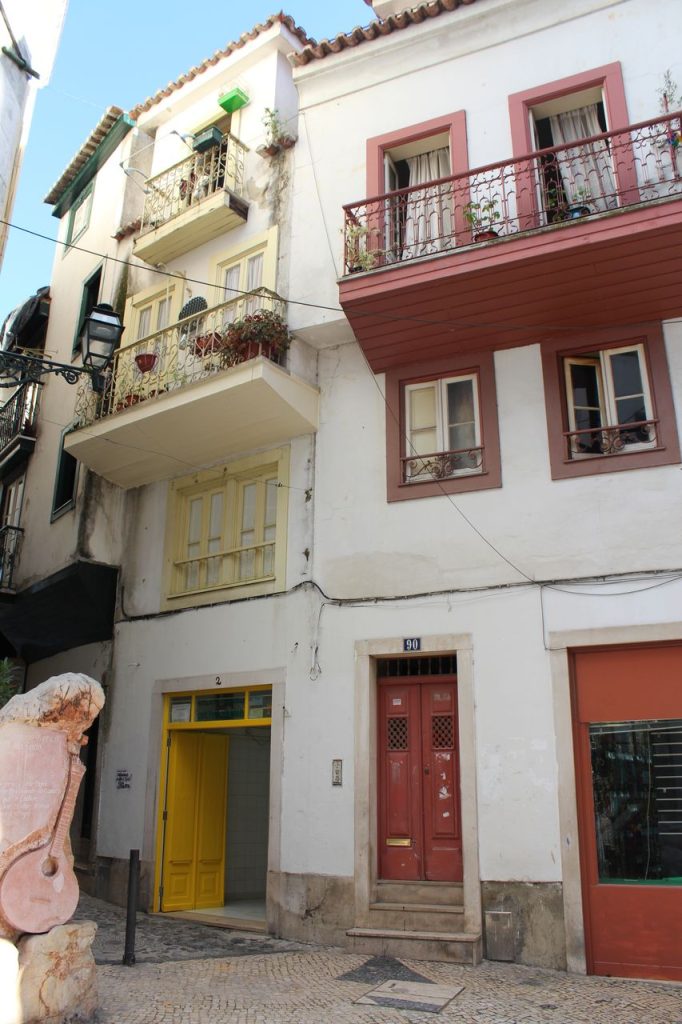
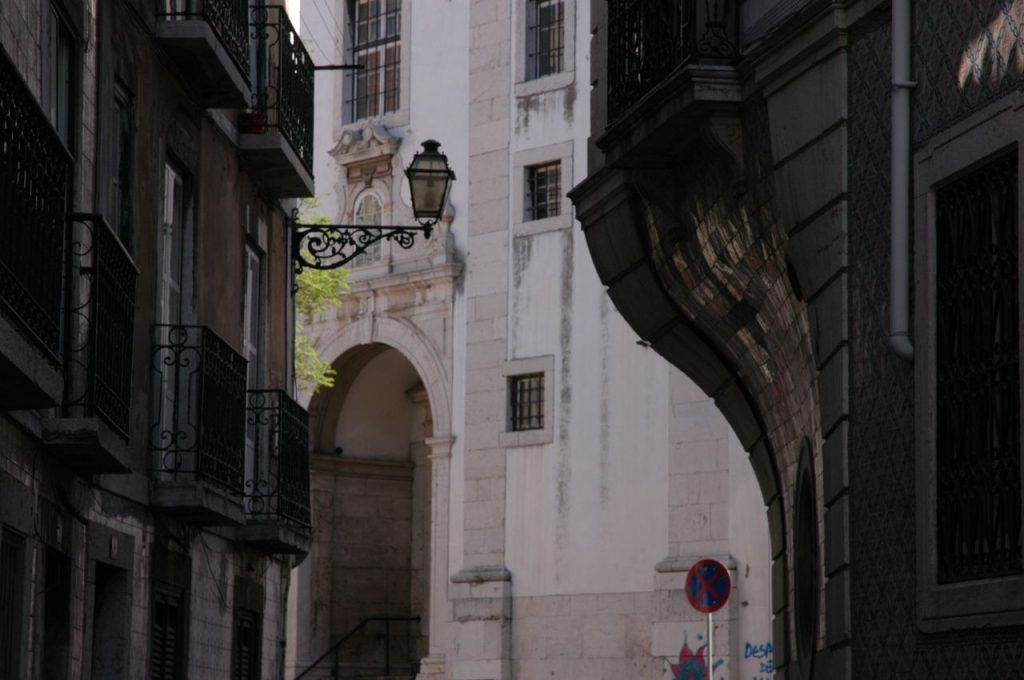
The old district of Alfama, on the hill facing the river, still shows strong ties to maritime activities, from fishing to cargo handling, once the main sources of work. Its inhabitants keep a unique way of life, with a strong sense of community shaped by urban density and narrow streets, making the neighbourhood a small village inside the big city.
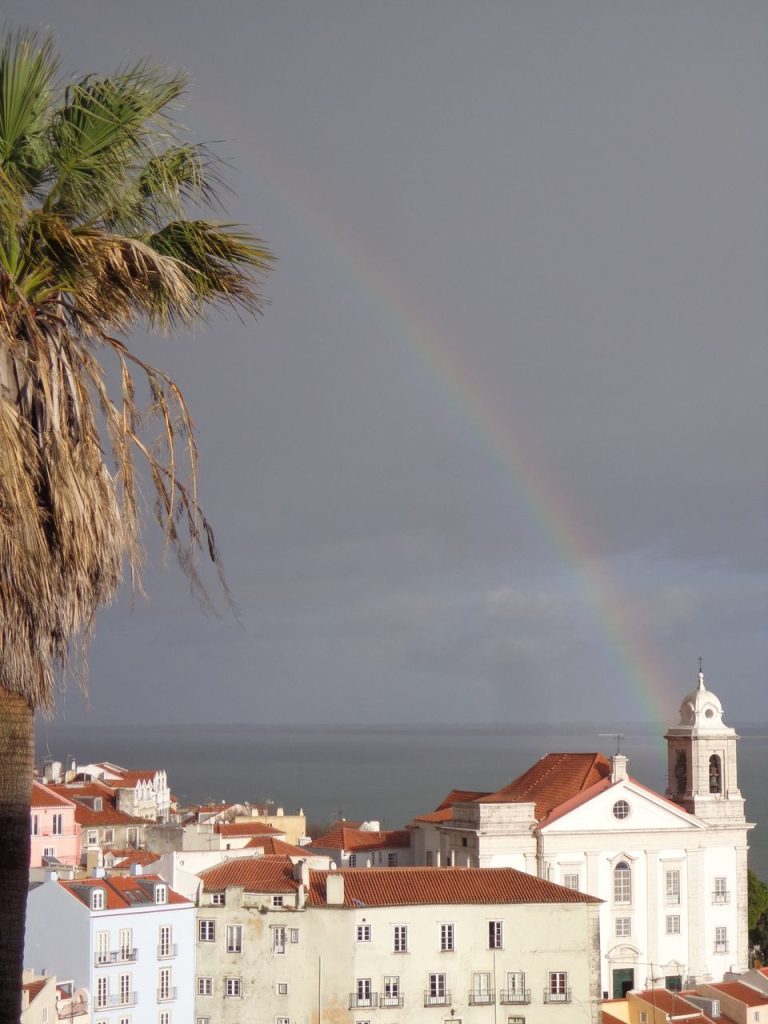
Along the way, a series of viewpoints open up some of the most extraordinary views over the river and the city’s rooftops. The route continues into Mouraria, the old Moorish quarter and one of Lisbon’s most multicultural neighbourhoods, and ends at Martim Moniz, where centuries of migration still meet today.
IncludedA tasting of the famous pastel de nata.
What you’ll see
- The Romans and the Moors
- The old Jewish quarter
- The Alfama district and its people
- Migration and dockworkers
- Hidden viewpoints
- Fadothe soundtrack of Lisbon
- The Roman Theatre of Olisipoand its innovative decorator, Caius Primus
- The Mouraria district
- Largo do Martim Moniza great melting pot of cultures
What our guests say
Join the group
Thursdays and Sundays at 10am. 25€ per person.
Make it private
Any day, at your own pace, just for your group or family.
Discounts, cancellation and other questions? See our FAQ.
Map from Google Maps. Loading it shares data with Google.
Open in Google Maps →Where we meet
Regular tours: Praça do Comércio, at the door of the Ask Me Lisboa tourist office under the arcades (not inside), in the north-west corner of the square, next to the Squisito Italian restaurant and Cervejaria Antártida Lisboa. Look for the guide with an orange Lisbon Walker backpack or a tote bag with the big logo.
Private tours: we meet at Praça do Comércio, under the Rua Augusta Arch, unless stated otherwise. We can also meet you at your hotel on foot if it is in the city centre (up to Marquês de Pombal).
Questions? Email us at info@lisbonwalker.com.